Why Families Trust an Emergency Dentist in Bakersfield CA
Dental emergencies have a way of turning an ordinary day into a stressful one. A child chips a front tooth at baseball practice. A parent wakes up with throbbing pain and a swollen jaw. A grandparent loses a crown just before a family event and cannot chew without sharp discomfort. In those moments, families are not looking for a polished sales pitch. They want fast answers, sound judgment, and a dental team that knows how to act without wasting time.
That is why trust matters so much when people search for an Emergency Dentist Bakersfield CA. The need is immediate, but the decision is personal. Families are putting their comfort, health, schedule, and often their children in someone else’s hands. They want to know the office will pick up the phone, explain what to do next, and treat the problem with a calm level of competence.
In a place like Bakersfield, that trust is built over time. It comes from being available when people need help, from handling common emergencies without drama, and from making patients feel cared for when they are vulnerable. A reliable emergency dental office becomes more than a clinic. It becomes part of a family’s safety net.
What families mean when they say they “trust” a dentist
Trust in emergency dentistry is rarely abstract. It shows up in practical ways. Parents trust a dentist who can tell the difference between a problem that can wait until morning and one that needs attention now. Adults trust a dentist who does not minimize pain or push unnecessary treatment when a simple fix will do. Older patients trust a practice that can work around medications, existing dental work, and health conditions without making the visit feel rushed.
I have seen that most families judge an emergency dental experience by a handful of very human measures. Did the office answer clearly? Did someone listen before jumping to conclusions? Was the treatment plan explained in plain language? Was there visible urgency when urgency was warranted, and restraint when it was not?
That balance is harder than it looks. A cracked filling and a spreading infection can both start with “my tooth hurts.” An experienced emergency dentist knows how to sort those cases quickly. That clinical judgment often matters as much as the treatment itself. Families notice when a dentist can be decisive without being alarming.
Bakersfield families tend to value practicality over polish
Every city has its own rhythm, and healthcare expectations follow that rhythm. Bakersfield families are often balancing work, school schedules, sports, long commutes, and multigenerational responsibilities. They usually want care that is straightforward, accessible, and respectful of time.
That shapes what people expect from an emergency dental office. They want same-day care when possible. They want staff who can explain insurance and payment options without sending them through a maze. They want an office that understands the difference between a child with a playground injury at 3 p.m. And an adult with escalating pain at 3 a.m.
A trusted Emergency Dentist Bakersfield CA also earns loyalty by understanding that not every emergency happens in ideal circumstances. Some families call from work. Some arrive with a tired toddler and another child in tow. Some have not seen a dentist in years and are embarrassed. The strongest practices do not add friction to an already difficult moment. They reduce it.
Pain changes the way people hear information
One reason emergency visits feel so intense is that pain narrows attention. A patient with a severe toothache is not in a mindset to absorb a complex lecture about restorative options six months from now. They need relief, a clear explanation, and a realistic next step.
Good emergency dentists understand this. They break the visit into manageable parts. First, identify the source of the problem. Second, control pain or infection. Third, explain what has to happen today and what can safely happen later. That sequence sounds simple, but it is one of the main reasons families leave feeling reassured rather than overwhelmed.
I have seen patients arrive convinced they need an extraction, only to learn the tooth can be stabilized and saved. I have also seen the opposite, where someone hoped for a quick filling but the damage was too deep to ignore. Trust is built when the dentist explains the reasoning with honesty. Families can accept bad news more easily than vague news.
The emergencies that test a dental office most
Not every urgent dental problem carries the same stakes. Some are painful but contained. Others can worsen quickly. An experienced office has systems for triage, scheduling, and follow-up because the first phone call often sets the tone for the entire visit.
The situations that most often push families to seek urgent care include the following:
- Severe toothaches that do not improve with basic pain relief, especially when swelling or temperature sensitivity is involved.
- Broken, cracked, or knocked-out teeth after falls, sports injuries, or accidents.
- Lost crowns, bridges, or fillings that expose sensitive areas and make eating difficult.
- Abscesses, gum swelling, or signs of infection such as bad taste, facial puffiness, or pain when biting.
- Dental issues in children that need prompt evaluation, particularly trauma to permanent teeth.
What matters is not just whether an office treats these cases, but how well it handles the gray areas around them. A cracked molar may need smoothing and a temporary fix one day, then a crown soon after. A child’s loosened tooth might be monitored if it is a baby tooth, but urgently stabilized if it is permanent. Families trust dentists who do not rely on one-size-fits-all answers.
Why speed matters, but judgment matters more
People often assume emergency dental care is simply about getting seen fast. Speed is important, of course. If someone is in visible pain, every extra hour feels longer. But families learn quickly that a rushed answer is not the same thing as the right answer.
Take a swelling case, for example. Mild localized irritation after food traps under the gum is one thing. A rapidly enlarging swelling with fever, pressure, or difficulty swallowing is another. The trusted emergency dentist does not treat those scenarios casually. They know when in-office care is enough and when a patient may need urgent medical evaluation.
The same is true with trauma. If a tooth is knocked out, timing can affect the chance of saving it. If a front tooth is chipped but not painful, treatment may still be important, though not every chip is equally urgent. Families value a dentist who can sort urgency from anxiety without dismissing either.
Children change the equation
Many parents will tolerate discomfort in themselves far longer than they would in their children. A child with dental pain can stop eating, stop sleeping, and become miserable fast. That emotional pressure is one reason family trust is so closely tied to pediatric emergencies.
A good emergency dental experience for children requires more than technical skill. It requires pacing, tone, and the ability to keep fear from escalating. The dentist may need to explain instruments in simpler language, work efficiently without appearing hurried, and give the parent enough information to stay calm in front of the child.
One of the most common family concerns is sports-related trauma. Bakersfield has plenty of active kids, and collisions happen. A baseball to the mouth, a scooter fall, or a rough basketball play can lead to chipped teeth, bleeding gums, or a tooth that looks pushed out of position. In those moments, parents want an office that has seen it before and knows what to do next. Reassurance matters, but informed reassurance matters more.
The first phone call often decides everything
Families remember how they were treated before they ever sat in the chair. A front desk conversation during an emergency can either lower panic or intensify it. That is why trusted practices train staff to ask useful questions and give simple, practical instructions.
When the problem sounds urgent, patients usually benefit from immediate guidance like this:
- Rinse gently with warm water to clear debris and help assess the area.
- Use a cold compress on the outside of the face if there is swelling or recent trauma.
- If a permanent tooth is knocked out, handle it by the crown, not the root, and keep it moist in milk or saliva if possible.
- Avoid chewing on the affected side and skip very hot, cold, or sugary foods if the tooth is sensitive.
- Seek prompt care rather than waiting overnight if swelling, significant bleeding, fever, or intense pain is present.
These are not dramatic instructions. They are practical, and practicality builds confidence. Families trust offices that know how to guide them before they arrive.
Clear treatment planning reduces fear
A lot of dental anxiety has less to do with pain than with uncertainty. Patients can handle a difficult afternoon better than they can handle not knowing what is happening. That is why emergency dentists who explain next steps clearly tend to earn stronger long-term loyalty.
For example, a patient with an infected molar might need pain control, imaging, and immediate measures to calm the problem, but the permanent solution could be a root canal, extraction, or referral depending on the tooth’s condition. If that is explained carefully, most people feel steadier. If they hear only fragments, they imagine the worst.
Trusted dentists also explain trade-offs. Saving a tooth may require more time and cost than removing it, but extraction changes chewing, spacing, and future restorative needs. Recementing a crown may buy time, but if decay underneath is extensive, a new restoration could be wiser. Families do not expect miracles. They expect honest options.
Availability signals commitment
One of the strongest trust markers in emergency care is availability. That does not always mean a dentist personally sees every case at every hour. It means the office has a real system for urgent needs. There is a way to reach someone. There is a process for same-day evaluation when appropriate. There is follow-up after treatment, especially in cases involving infection, trauma, or temporary repairs.
People notice when an office makes room for emergencies instead of treating them as interruptions. They also notice when a practice respects time. If a patient is told to come in right away, they expect the visit to move with purpose. Long unexplained delays undercut confidence quickly, especially when pain is involved.
In communities where word of mouth still matters, these details travel. Families tell each other who stayed late for a broken tooth, who called the next day to check on a child, and who managed a painful situation without turning it into a drawn-out ordeal. Reputation in emergency dentistry is built case by case.
Trust also comes from knowing what not to do
Experienced dentists are often trusted because they know when restraint is the better choice. Not every painful tooth should be treated aggressively in the first visit. Not every traumatized tooth should be cosmetically repaired immediately. Sometimes inflammation needs to settle. Sometimes infection control comes first. Sometimes a temporary measure is the safest move until a fuller evaluation can happen.
That can be frustrating for patients who want everything solved at once. Yet it is part of what separates thoughtful care from reactive care. A family learns to trust a dentist when the advice remains steady even under pressure.
A common example is the deeply cracked tooth that hurts when biting. Patients may hope for a filling, but if the crack pattern suggests poor long-term stability, placing one may only delay a harder conversation. On the other hand, there are times when a conservative temporary approach is exactly right because it reduces https://cristianzgar620.rivetgarden.com/posts/emergency-dentist-bakersfield-ca-steps-to-take-after-a-tooth-is-knocked-out pain while preserving options. Judgment is the difference.
Cost conversations matter more in emergencies
No one likes making financial decisions while in pain, but emergency dental care often forces the issue. Families trust offices that are direct about cost without sounding cold. They want to know what today’s visit includes, what could follow, and where the range of expense might land if treatment becomes more involved.
The most helpful practices avoid surprises. They explain whether the urgent visit is mainly diagnostic, whether imaging is needed, and whether the temporary fix is separate from the definitive treatment. They do not bury patients in jargon or rush signatures while the patient is distressed.
This is especially important for families with children, older relatives, or multiple household members seeing the same dentist. Over time, honesty about cost becomes part of clinical trust. A family that feels treated fairly during an emergency is far more likely to return for routine care later.
The emotional side of urgent dental care is easy to underestimate
Dental emergencies expose people at their least composed. Pain, swelling, broken teeth, visible blood, missed sleep, and fear about appearance all affect how patients respond. Families trust providers who recognize that emotional reality instead of brushing past it.
A teenager with a chipped front tooth may care less about pain than about school the next morning. A working parent with a cracked molar may be calculating how many hours they can afford to miss. An older adult may be worrying quietly about whether a repair will hold through upcoming medical treatment or travel. The best emergency dentists hear those concerns because they ask the right questions.
It is common for patients to apologize for being upset. In a good office, they do not have to. Calm communication, a confident exam, and a clear plan often do as much to lower stress as the actual procedure.
Why local familiarity matters in Bakersfield
There is something different about receiving emergency care from a local office that knows the community. It may understand school sports calendars, agricultural work schedules, summer heat, and the way family obligations can complicate follow-up. That familiarity can make care feel more realistic and less generic.
A local Emergency Dentist Bakersfield CA is also more likely to become the dentist a family turns to repeatedly, not just once. That continuity matters. If the office already knows a patient’s dental history, prior root canals, medication list, or tendency toward grinding, urgent decisions become easier and more accurate.
Even when the relationship starts with an emergency, it often grows into something steadier. The office that handled the Saturday toothache may become the place a family trusts for preventive visits, crowns, mouthguards, and children’s cleanings. Emergency care, when done well, creates a durable kind of loyalty.
What families are really looking for
At the heart of it, families trust an emergency dentist for a simple reason. They want competence that feels personal. They want a practice that can move quickly without losing its head. They want treatment that solves the immediate problem and advice that makes sense for the longer term.
They also want consistency. Not just one good visit, but a pattern of reliability. A team that answers. A dentist who explains. A plan that is honest. A follow-up that happens. These are ordinary things, yet in emergency care they stand out because people remember exactly who helped when something hurt, broke, or went wrong at the worst possible time.
That is why trust is so powerful in this part of dentistry. Emergencies strip away marketing and leave only the essentials. Skill. Access. Communication. Judgment. Compassion. When a practice shows those qualities under pressure, families notice. And in Bakersfield, where personal recommendations still carry weight, that kind of trust tends to last.
Smyle Dental Bakersfield
2016 E St, Bakersfield, CA 93301, United States
+16614939040
FAQ About Emergency Dentist Bakersfield CA
What counts as a dental emergency?
Severe tooth pain, facial swelling, uncontrolled bleeding, a knocked-out or displaced tooth, and significant dental trauma may need prompt assessment. Trouble breathing or rapidly increasing swelling requires urgent medical help.
What should I do if a permanent tooth is knocked out?
Handle the tooth by the crown rather than the root, keep it moist, and contact a dentist immediately. Fast treatment can improve the chance of saving the tooth.
Can an emergency dentist treat severe tooth pain the same day?
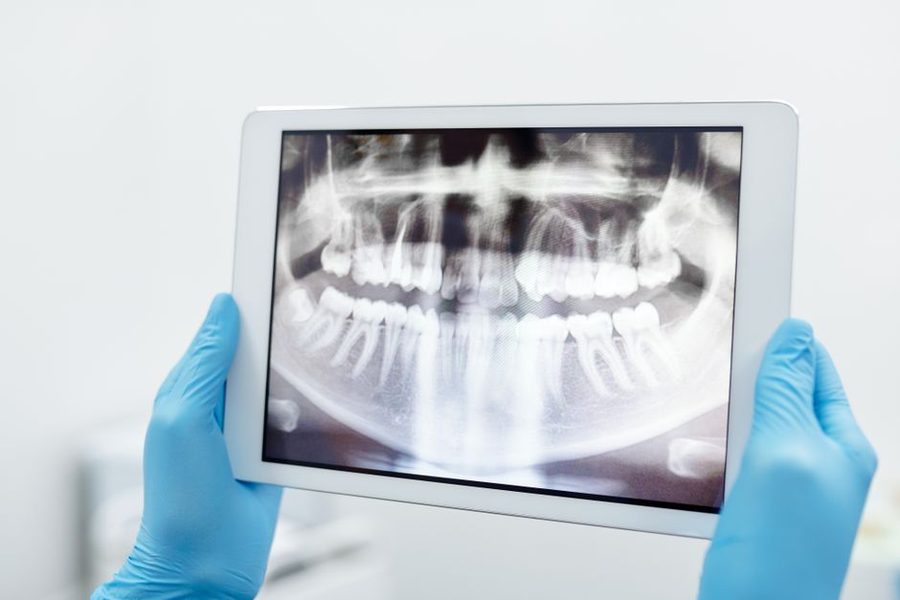
Same-day care may be available depending on the cause and schedule. The dentist will examine the area, may take digital X-rays, and recommend treatment based on the diagnosis.
Should I go to the emergency room for dental swelling?
Seek urgent medical care for trouble breathing, difficulty swallowing, rapidly spreading facial swelling, or other severe symptoms. A dentist can assess the underlying dental cause and provide appropriate follow-up care.