The Value of Ongoing Care With a General Dentist in Bakersfield CA
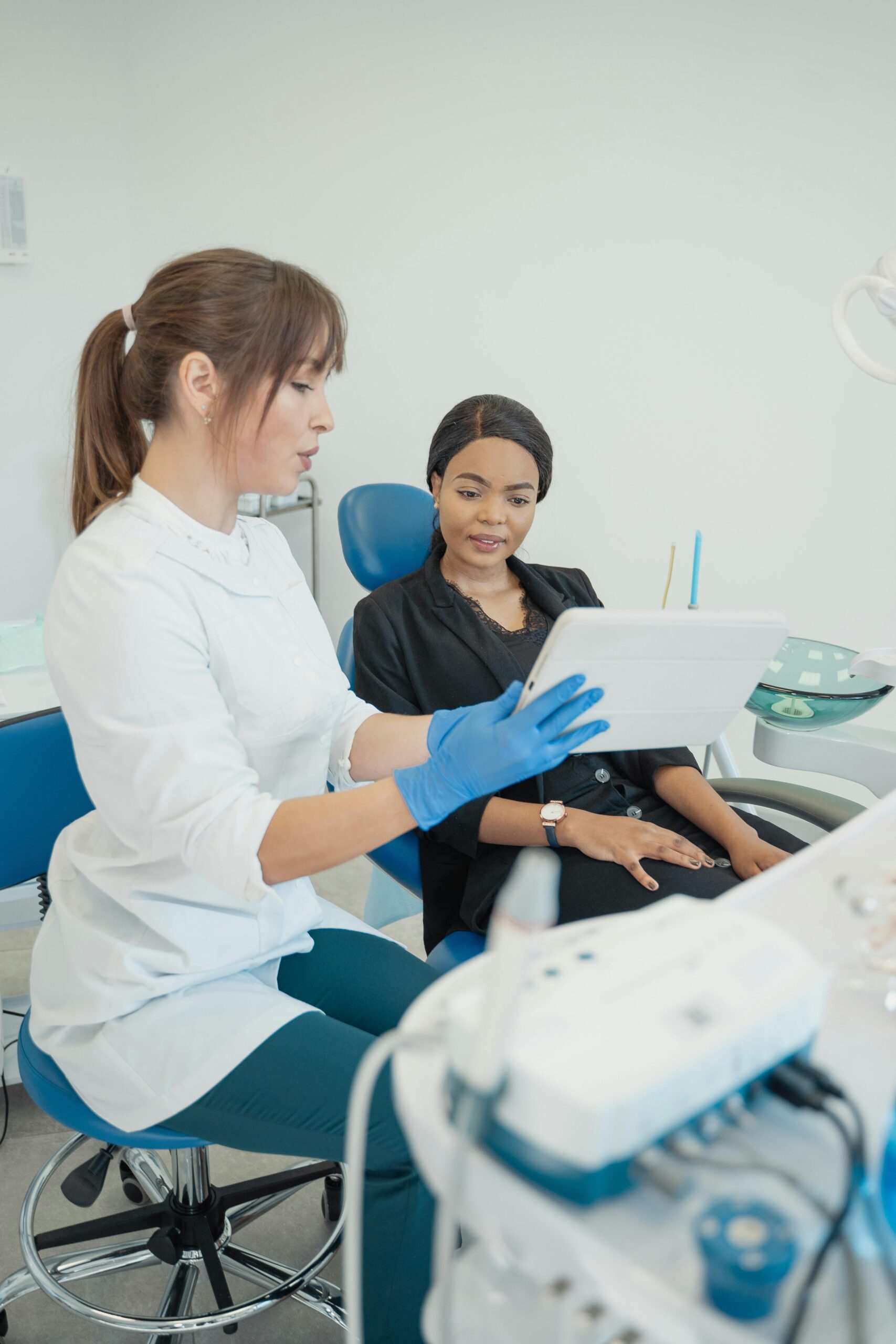


A healthy smile rarely comes from one dramatic fix. Most of the time, it comes from ordinary, repeated care handled well over many years. That is where the relationship with a general dentist matters most. People often think of dental visits as isolated events, a cleaning here, a filling there, a quick appointment when something starts to hurt. In practice, the best dental outcomes usually come from continuity. The same office sees how your teeth have changed, how your gums respond to home care, how a small crack behaved over time, and whether a habit like grinding is starting to leave a visible mark.
For families and working adults in Bakersfield, that continuity has practical value. Life gets busy. Appointments are easier to keep when you trust the office, know the route, recognize the staff, and feel confident that the recommendations are grounded in your history rather than a first impression. A good long-term relationship with a general dentist Bakersfield CA patients can rely on is not only about convenience. It is about better judgment, earlier intervention, and fewer surprises.
Dental care works better when someone knows your baseline
Every mouth has a baseline. Some people build tartar quickly even when they brush well. Some are naturally prone to recession. Others have deep grooves in the back teeth that collect stain and food no matter how faithfully they floss. A new provider can spot current issues, of course, but ongoing care gives a general dentist a much clearer picture. They know what has stayed stable, what is drifting in the wrong direction, and what deserves careful watching instead of immediate treatment.
This matters more than many patients realize. A tiny area of enamel wear may be harmless in one person and the beginning of a larger bite problem in another. Mild gum inflammation may improve with a simple hygiene adjustment, or it may signal a pattern that tends to return every few months. Without continuity, care can become reactive. With continuity, it becomes informed.
A long-term dentist often notices subtle changes that are easy to miss in one-off visits. The shade of the gums around a crown. The way two teeth are starting to hit each other differently. A filling margin that looked fine last year but now catches floss. These details do not always demand immediate treatment, but they help guide timing. Good dentistry is not only about doing procedures well. It is also about knowing when to step in, when to monitor, and when to leave healthy tooth structure alone.
Small problems stay small when they are caught early
Most expensive, disruptive dental problems start out quietly. A cavity in its earliest stage may not hurt at all. Gum disease often begins with bleeding or puffiness, symptoms many people ignore because they seem minor. A cracked tooth may present as a fleeting twinge when chewing, then disappear for weeks. By the time pain becomes obvious and persistent, the treatment is usually more involved.
Ongoing care lowers the chance that routine wear and minor disease processes turn into emergencies. Cleanings, exams, and periodic X-rays are not glamorous, but they are often the difference between a conservative filling and a root canal with a crown. They can also be the difference between straightforward periodontal maintenance and more extensive gum treatment later.
This is particularly relevant in a place like Bakersfield, where people often balance demanding work schedules, family obligations, and heat that can make a packed day feel even longer. When preventive care slips, small issues do not pause politely. They keep progressing in the background. The cost shows up later in time off work, discomfort, and larger treatment plans.
One pattern dentists see often is the patient who skips several years because nothing hurts, then returns with multiple issues that developed together. It is common to find old fillings wearing out, plaque buildup leading to gum inflammation, and a cracked tooth that has been overloaded for months. None of this means a patient has failed. It means teeth respond to time, habits, and biology whether or not symptoms are dramatic. A general dentist helps interrupt that pattern before it gets expensive.
Trust changes the quality of care
Dental anxiety is real, and it does not always look dramatic. Sometimes it looks like rescheduling appointments repeatedly. Sometimes it looks like saying yes to a cleaning but putting off treatment. Sometimes it shows up as silence, the patient who is uncomfortable but embarrassed to ask questions. Ongoing care with a familiar general dentist can soften that anxiety in a way no advertisement or one-time reassurance can.
Trust grows through repetition. The front desk remembers your preferred appointment times. The hygienist knows you have sensitive lower incisors and adjusts technique. The dentist explains what has changed since your last visit instead of starting from zero. Over time, patients become more likely to mention symptoms early, ask practical questions about cost and timing, and follow through with treatment before the problem worsens.
That level of trust also improves decision-making. Dentistry is full of judgment calls. Should a worn filling be replaced now, or watched for another six months? Is the tooth best restored with a filling, onlay, or crown? Does occasional jaw soreness suggest stress, a bite issue, or nighttime grinding? A trusted general dentist is not just selling a procedure. They are helping a patient weigh longevity, budget, comfort, and risk. Those conversations are easier when there is already a relationship.
One office can coordinate more than people expect
The term general dentist sometimes sounds basic, as if the role is limited to cleanings and simple fillings. In reality, a skilled general dentist often serves as the central coordinator of oral health. They handle prevention, routine restorative work, patient education, screenings, and long-term monitoring. They also know when a specialist would add value and how to sequence that care sensibly.
That coordination matters because many dental issues overlap. Gum health affects restorative success. Bite forces affect crowns, implants, and natural teeth. Dry mouth can accelerate decay around older dental work. A patient who grinds at night may need a night guard to protect both existing restorations and healthy enamel. The general dentist sees the full picture, not just one isolated problem.
When referrals are needed, continuity still helps. A good general dentist sends a patient to a periodontist, endodontist, oral surgeon, or orthodontist with a clear reason and a plan for what happens next. That reduces confusion for the patient and keeps treatment from becoming fragmented. Once the specialist work is complete, the patient returns to a familiar home base for maintenance and follow-up.
The financial value is more practical than promotional
Patients hear plenty about the cost of dentistry, and those concerns are valid. Even with insurance, out-of-pocket expenses can feel significant. The phrase preventive care saves money is true, but it can sound too neat unless it is grounded in real examples.
Consider a common progression. A small cavity found during a routine exam may be treated with a modest filling. If the area is missed for a few years, decay can spread deeper into the tooth and irritate the nerve. Now the patient may need a root canal, a build-up, and a crown. If the tooth fractures beyond repair, the next steps may involve extraction and replacement. The financial difference across those stages can be substantial, and so can the time spent in the chair.
The same principle applies to gum disease. Mild inflammation often improves with professional cleaning, better home care, and regular recall visits. More advanced disease can require deeper therapy and tighter maintenance intervals. If it progresses far enough, tooth mobility and eventual tooth loss become real concerns. The costs are not only monetary. Function, appearance, and confidence are affected too.
Long-term care also makes budgeting easier because treatment can often be phased intelligently. A trusted general dentist can help a patient prioritize what needs immediate attention, what can safely wait, and what should be monitored. That is a very different experience from walking into an office after a long gap and being handed a large treatment plan all at once.
Bakersfield patients often face local lifestyle factors that affect oral health
Oral health does not exist in a vacuum. It reflects work, diet, stress, sleep, hydration, medications, and access to routine care. In Bakersfield, dentists commonly see a mix of issues shaped by daily life. Patients who work outdoors or in physically demanding jobs may go long stretches without enough water, especially in hot weather. Dry mouth, even when mild, can increase the risk of decay because saliva plays a protective role. Frequent sports drinks, energy drinks, or sweetened coffee during long shifts can add to the problem.
Stress is another factor. Grinding and clenching often rise during busy periods, family strain, or work pressure. Some patients notice morning jaw soreness or chipped enamel. Others have no idea they are grinding until the wear becomes visible during an exam. Ongoing care helps catch those patterns before they cause major fractures or joint discomfort.
Family schedules matter too. In many households, adults focus on getting children to appointments and put off their own care. Then a decade passes. A good general dentist sees this all the time and can often help make care more manageable by spacing treatment sensibly and emphasizing the highest priorities first.
Prevention is not just a cleaning twice a year
Many people equate prevention with a routine cleaning every six months. That can be a useful standard, but it is not universal. The right interval depends on risk. Someone with excellent home care, low decay risk, and stable gums may do well on a traditional schedule. Another person with a history of periodontal problems, heavy tartar buildup, diabetes, dry mouth, or multiple older restorations may need more frequent visits.
The same nuance applies to home care. Brushing harder is not better if it causes recession. Whitening toothpaste is not ideal for every patient, especially if there is sensitivity or exposed root surface. A flossing technique that works beautifully around natural teeth may need adjustment around bridges or implants. A general dentist who knows the patient over time can tailor advice in ways that are actually usable.
There is also a preventive value in repeated education. Patients rarely absorb every instruction from one visit. They remember what matters when it connects to something personal, a bleeding spot that keeps returning, a filling that catches food, a child copying a parent’s brushing habits. Over time, those conversations build practical awareness. That is what changes behavior.
What ongoing care usually includes
A long-term relationship with a general dentist is built through consistent, ordinary touchpoints rather than dramatic interventions. Most patients benefit from some version of the following:
- periodic exams to compare current findings with past records
- professional cleanings based on individual risk, not a one-size-fits-all schedule
- diagnostic imaging when appropriate to detect changes not visible during a visual exam
- maintenance of existing fillings, crowns, and other restorations before they fail
- practical coaching on home care, bite habits, diet, sensitivity, and dry mouth
None of this sounds complicated on paper. The value comes from how those pieces fit together over years. Records accumulate. Patterns become clearer. Recommendations become more precise.
Restorations last longer when they are monitored
Fillings, crowns, bonding, and even well-done dental work have a lifespan. They can wear down, leak, chip, or loosen. That does not mean dentistry failed. It means the mouth is a demanding environment. Teeth flex under pressure. Temperatures change. Acids, grinding, and time all take their toll.
A patient who returns regularly gives a general dentist a chance to monitor restorations before failure becomes dramatic. A crown margin can be checked while it is still serviceable. A filling with early wear can be replaced before a crack spreads through the tooth. Bonding on a front tooth can be polished or touched up before staining becomes severe.
This is one of the least appreciated benefits of ongoing care. People often assume treatment is done once it is placed. In reality, dental work needs stewardship. When there is a consistent provider who knows when something was placed and how it has performed, maintenance becomes much more effective.
The relationship matters during emergencies too
Even patients with excellent habits sometimes need urgent care. A filling falls out on a weekend. A tooth cracks on a popcorn kernel. A child is elbowed during a game. A crown loosens before a trip. In those moments, having an established general dentist changes the experience.
An office that knows you can often triage more efficiently because they already understand your medical history, prior dental work, and baseline condition. They may be able to fit you in faster, advise you more confidently over the phone, and make better short-term decisions. Even when a specialist or after-hours service is needed, an established home dentist helps with follow-up and continuity after the immediate problem is addressed.
Emergency care without prior records is possible, but it is rarely ideal. It tends to focus on the problem of the moment. Ongoing care means the emergency is handled in the context of the whole mouth.
Children, adults, and older patients all benefit differently
A general dentist often cares for patients across life stages, and that continuity reveals different priorities at different ages. For children, the emphasis may be on habit formation, cavity prevention, eruption patterns, and making the office feel routine rather than scary. Adolescents often need monitoring around wisdom teeth, sports protection, diet choices, and orthodontic retention. Adults may be dealing with worn restorations, stress-related grinding, cosmetic concerns, or delaying care because of work and family obligations.
Older adults bring another layer of complexity. Medications can contribute to dry mouth. Gum recession may expose vulnerable root surfaces. Dexterity changes can make brushing and flossing more difficult. Existing crowns and bridges may need closer supervision. A long-term general dentist can help patients adapt rather than simply react.
That life-stage perspective is especially valuable when a dentist has known a patient or family for years. They can see what is new, what is part https://www.merchantcircle.com/smyle-dental-bakersfield-bakersfield-ca of a longstanding pattern, and what deserves prompt action.
How to get the most from a long-term dental relationship
Patients sometimes assume good dental care is entirely the provider’s responsibility. In reality, the strongest results come from a working partnership. You do not need perfect habits to benefit from that relationship, but a few practical behaviors make a real difference:
- keep routine visits even when nothing feels wrong
- mention changes early, including sensitivity, bleeding gums, jaw soreness, or a rough edge on a tooth
- bring an updated medication list and report medical changes
- ask questions about timing, alternatives, and maintenance when treatment is recommended
- follow through on protective steps such as night guards, fluoride products, or modified cleaning techniques if they are advised
These habits give a general dentist the information needed to make sound recommendations. They also help treatment stay smaller, simpler, and more predictable.
Choosing continuity over crisis care
There is a certain temptation to treat dentistry like car trouble. If nothing is making noise, keep driving. That approach can work for a while, especially if someone has been fortunate with their oral health. But teeth and gums usually give quieter warnings than people expect, and they do not heal from decay or structural damage on their own.
Ongoing care with a general dentist Bakersfield CA residents trust is less about frequency for its own sake and more about informed stewardship. The office becomes familiar with your history, your risk factors, your previous treatment, and your priorities. That history has value. It supports better prevention, more accurate timing, calmer decision-making, and stronger long-term results.
A good general dentist does far more than check for cavities. They track change over time, protect the work already done, help patients avoid avoidable treatment, and guide care when life gets messy or schedules slip. For many patients, that consistency becomes one of the most practical investments they make in their health. The payoff is not only fewer emergencies or lower future costs. It is the confidence that someone is paying attention before problems become hard to ignore.
Smyle Dental Bakersfield
Address: 2016 E St, Bakersfield, CA 93301
Phone number: +16614939040
FAQ About General dentist Bakersfield CA
What does it mean by general dentist?
A general dentist is your primary dental care provider. They act like a family doctor for your mouth. They focus on the overall health of your teeth and gums, providing routine checkups, cleanings, and basic treatments like fillings or crowns for patients of all ages.
What is the difference between a dentistry practitioner and a dentist?
A dentist is a specific licensed doctor who diagnoses and treats teeth and gums, holding a DDS or DMD degree. A "dentistry practitioner" (or dental practitioner) is a broader regulatory term that includes dentists as well as other licensed oral health workers like hygienists and therapists.
When to see a dentist for gum pain?
See a dentist for gum pain if it lasts more than a few days, or right away if you have severe swelling, pus, fever, or bleeding. Mild pain from a scratch can heal on its own, but lasting soreness often points to gum disease, an infection, or an abscess.