How to Prepare for a Visit to an Emergency Dentist in Bakersfield CA
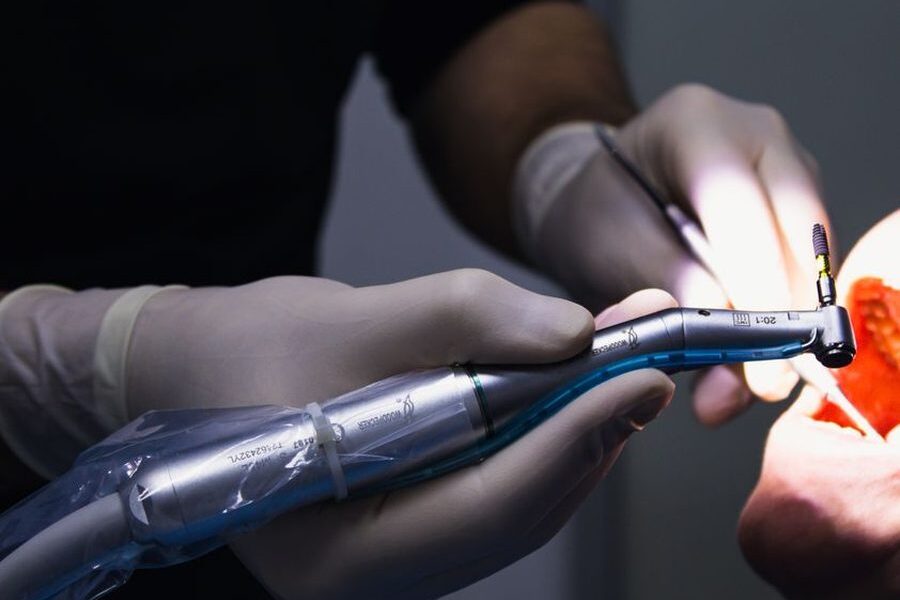
A dental emergency has a way of scrambling your judgment. Pain narrows your focus, swelling can make speech awkward, and a chipped or knocked-out tooth can feel far more alarming than people expect until it happens to them. If you need an Emergency Dentist Bakersfield CA patients can reach quickly, a little preparation can make the visit smoother, faster, and far more productive.
The goal is not to become your own dentist in the middle of a stressful moment. The goal is to protect the tooth, control pain as safely as possible, and arrive at the office with the information the clinical team needs to treat you efficiently. In practice, that can mean the difference between saving a tooth and losing it, or between a relatively simple same-day procedure and a more complicated follow-up.
Bakersfield presents its own realities. People here commute, work outdoors, play contact sports, and often juggle family schedules that leave little room for the unexpected. Dental emergencies do not wait for a convenient hour. They happen during lunch breaks, on job sites, late at night, after a weekend game, or while chewing something that should have been harmless. Knowing what to do before you get in the chair helps reduce both panic and delays.
Start by figuring out whether it is truly an emergency
Not every dental problem requires immediate same-day treatment, but many do. The challenge is that dental pain is not always a reliable guide. A tiny crack can hurt intensely, while a serious infection can begin as a dull ache and worsen quickly. Bleeding, trauma, swelling, and signs of infection deserve attention even if the pain seems manageable.
An urgent dental visit is usually appropriate when you have severe tooth pain, facial swelling, a cracked or broken tooth with exposed inner layers, uncontrolled bleeding, a knocked-out tooth, or a lost crown or filling that leaves significant sensitivity and sharp edges. Trouble swallowing, spreading swelling, or fever can signal that the issue has moved beyond a routine dental problem. In those cases, call a dentist immediately, and if breathing is affected or swelling is severe, seek emergency medical care.
One of the most common mistakes people make is waiting a day or two to see if things calm down. Sometimes they do, but infections can spread, cracks can deepen, and a loose tooth can become unsalvageable. Time matters more than many patients realize, especially with trauma.
Call before you leave home
If you are in pain, the temptation is to drive straight to the nearest office. That can work, but calling first is usually smarter. A quick phone conversation helps the office prepare for your arrival, advise you on immediate first aid, and tell you what to bring. It also saves time if the dentist needs to reserve a slot for X-rays, drainage, or a same-day procedure.
When you call, be ready to describe what happened in plain language. Say when the pain started, whether there is swelling, whether you can close your teeth together normally, whether there is bleeding, and whether trauma was involved. If a tooth was knocked out, say so immediately. Front desk teams and dental assistants often know to escalate those cases quickly because the window for successful reimplantation is limited.
If your child is the patient, mention age and weight, especially if you have already given pain medication. That detail helps the office provide better guidance. If you are pregnant, have diabetes, take blood thinners, or are immunocompromised, mention that too. Those factors can influence both urgency and treatment choices.
What to do in the first 30 minutes
The first half hour after a dental injury or sudden flare-up is often where preparation matters most. Small actions can preserve tissue, reduce contamination, and improve the dentist’s odds of treating the problem conservatively.
- If a permanent tooth is knocked out, hold it by the crown, not the root. If it is dirty, rinse it gently with clean water for a few seconds. If you can place it back into the socket without force, do so. If not, keep it moist in milk or saliva and get to the dentist immediately.
- If there is bleeding, use clean gauze or a damp tea bag and apply gentle pressure. Sit upright rather than lying flat, because that can reduce throbbing and bleeding.
- If you have swelling, place a cold compress on the outside of the cheek for short intervals. Do not put aspirin directly on the gum. That old home remedy can burn soft tissue.
- If a tooth is cracked or a filling fell out, rinse gently with warm water and avoid chewing on that side. If you have dental wax or sugar-free gum, you can cover a sharp edge temporarily.
- If you suspect infection, do not try to pop a gum swelling with a pin or any household object. That can push bacteria deeper and complicate treatment.
Those measures do not replace care, but they buy valuable time. I have seen patients arrive with a knocked-out tooth wrapped dry in a napkin, which sharply reduces the chance of saving it. I have also seen people preserve a tooth beautifully because they called first and followed instructions calmly.
Gather what the office will need
Once the immediate situation is under control, shift into practical mode. Emergency visits move faster when the paperwork and background details are ready. Front desk teams can help without all of this in hand, but having it organized reduces friction when you are already uncomfortable.
Bring your photo ID, dental insurance card if you have one, and a form of payment in case part of the treatment is due at the visit. If you are a new patient, expect to complete health history paperwork unless the office offers digital forms in advance. If your regular dentist took recent X-rays, let the emergency office know. Sometimes those can be sent over quickly, though fresh images are often still needed.
Medication details matter more than many patients think. A surprisingly high number of emergency treatment decisions turn on whether you take blood thinners, bisphosphonates, steroids, or medications that affect blood pressure and healing. If you do not remember names or doses, bring the bottles or a current medication list from your phone.
If the problem involves trauma from sports, work, or a fall, note the time of injury and whether you lost consciousness or hit your head. Dentists focus on oral structures, but they also need to know when a dental injury may be part of a larger medical event.
Know what not to do before the appointment
Patients usually mean well, but self-treatment can create new problems. Clove oil, hydrogen peroxide, alcohol rinses, adhesive glues, and hardware-store repair ideas all show up with surprising regularity in emergency dentistry. Most of them complicate the exam or irritate already inflamed tissue.
Hydrogen peroxide is a good example. Used occasionally in the right context, it can have limited value, but many people overuse it, thinking bubbling equals healing. In an acutely irritated mouth, repeated peroxide rinses can worsen sensitivity and delay the dentist’s ability to judge the tissue accurately. The same goes for repeated saltwater rinses that are too hot or too frequent. Gentle is the key word.
Another issue is food and drink. If there is a chance the dentist may need to numb you, remove a tooth, drain an abscess, or prescribe medications that can upset an empty stomach, ask whether you should eat beforehand. There is no single rule, because the answer depends on the type of treatment and whether sedation might be involved. A short call solves that uncertainty.
Pain control before you arrive
Pain is what drives most emergency dental appointments, but pain management at home should be deliberate. If you can safely take over-the-counter medication, it often helps to use it before the visit rather than trying to tough it out. The dentist can still evaluate the tooth accurately. Pain relief does not usually “hide” the problem in a way that prevents diagnosis.
Ibuprofen is commonly helpful for dental pain because inflammation is often part of the picture. Acetaminophen can also help and may be a better choice for some people, especially if stomach irritation, kidney disease, or certain medications make NSAIDs a poor fit. The important part is to use the medication according to the label unless a physician has told you otherwise. More is not better. Dental offices regularly see patients who doubled up in a panic and then created an avoidable medication issue on top of the tooth problem.
Cold can be surprisingly effective for trauma-related pain and swelling. Heat on the outside of the face, however, is usually a bad idea when infection is possible, because it can increase swelling and throbbing. If you have ever had a patient say, “I kept a heating pad on it all night and woke up worse,” that pattern is familiar in emergency care.
If a child needs emergency dental treatment
Children add another layer of urgency and complexity. They may not describe symptoms clearly, and parents often struggle to tell whether a baby tooth injury is less serious than it looks or more serious. The answer depends on the age of the child, whether the tooth is primary or permanent, and whether the injury affected the surrounding Emergenvcy Dentist Bakerfield CA bone or gums.
A knocked-out baby tooth is usually handled differently from a knocked-out permanent tooth. Reimplanting a primary tooth is generally not the goal, because of the developing permanent tooth underneath. A permanent tooth in an older child or teenager is a different matter and should be addressed urgently. This is one reason it is useful to tell the office the child’s age during the first call.
Bring a comfort item if your child is anxious, but also prepare them honestly. Telling a frightened child, “They are not going to do anything,” often backfires the moment X-rays or numbing are discussed. A better approach is simple and calm: the dentist is going to look, take pictures of the tooth, help the pain, and explain what happens next. Children usually respond better to certainty than to false reassurance.
What the first emergency visit often includes
Many people expect the emergency appointment to solve everything in one sitting. Sometimes it does. Sometimes it cannot. That is not a sign of poor care. It is the nature of dental diagnosis and triage.
A first visit usually focuses on three things: identifying the source of the problem, controlling pain or infection, and stabilizing the area. That may mean X-rays, a focused exam, bite testing, percussion testing, cold testing, drainage of an abscess, smoothing a broken edge, placing a temporary protective material, recementing a crown if appropriate, prescribing medication when indicated, or beginning treatment such as a root canal or extraction.
There are trade-offs here. A badly infected tooth might feel better after antibiotics, but antibiotics alone rarely fix the underlying source if the pulp is dead or the tooth is structurally compromised. A patient who leaves feeling less pain may assume the problem is resolved, only to return with a larger infection weeks later. The emergency visit often starts the solution rather than finishes it.
Questions worth asking while you are there
If pain has been intense, it is easy to forget everything once the numbness kicks in and the immediate crisis starts to ease. That is why it helps to ask a few practical questions before you leave. You do not need a long checklist, but you do need clarity.
Ask what the diagnosis appears to be, what was done today, what the likely next step is, and what warning signs mean you should call back right away. If a temporary filling, crown, or dressing was placed, ask how long it is expected to last and what foods to avoid. If medication was prescribed, ask about common side effects and whether it should be taken with food.
Also ask whether a follow-up with your regular dentist is expected or whether the emergency office will complete the treatment. In Bakersfield, as in many cities, some emergency dental practices provide comprehensive follow-up and others are more focused on urgent stabilization. Knowing that distinction prevents missed care later.
The financial side, which matters more than people admit
Dental emergencies are stressful partly because they are unplanned expenses. It helps to address that early rather than avoid the topic. A straightforward emergency exam with X-rays is one cost. Definitive treatment is another, and the range can be wide depending on whether the solution is a filling, root canal, crown, extraction, or replacement plan.
Ask for a treatment estimate once the diagnosis is clear. Most reputable offices are used to this conversation and can explain what is urgent today versus what can wait a little. That distinction matters. Sometimes the best immediate use of your budget is pain relief and stabilization, followed by definitive treatment after you have had time to review options. Sometimes delaying the main treatment is penny-wise and pound-foolish because the tooth will deteriorate fast. An experienced dentist should explain those trade-offs plainly.
Insurance can help, but emergency care is one of those areas where patients are often surprised by deductibles, annual maximums, waiting periods, and differences between what the plan “covers” and what it actually reimburses. Do not let that stop you from calling. It is still better to get the diagnosis than to guess at home.
Aftercare begins before you walk out the door
The best emergency visit can unravel if aftercare is vague or ignored. Before leaving, make sure you understand whether you should expect soreness after numbness wears off, whether bleeding is normal, and how to eat for the next day or two. Soft foods, careful chewing on the opposite side, and good hygiene around the area are often important, but specifics vary.
Pay attention to changes over the next 24 to 48 hours. Mild tenderness after treatment can be expected. Worsening swelling, fever, foul-tasting drainage, difficulty opening the mouth, or pain that accelerates instead of settling deserves a call. That is especially true if the original problem was infection.
One thing many patients underestimate is the value of sleep position. Keeping your head slightly elevated the first night after a difficult dental event can reduce throbbing. It is a small adjustment, but patients often notice a real difference.
Special situations that need extra judgment
Some emergencies fall into gray areas. A lost crown on a front tooth right before a public event can feel like a crisis, and emotionally it may be one, but the urgency is different from an abscess with facial swelling. A broken molar on Friday evening may be stable until morning if there is no severe pain, but it can become more urgent if the broken edge slices the tongue or the nerve is exposed.
Pregnancy changes the discussion too. Dental infections should not be ignored during pregnancy, and emergency treatment is often safer than people assume when done properly. The office simply needs to know so it can choose medications and imaging precautions appropriately. Patients on blood thinners, with recent joint replacements, or with a history of head and neck radiation also need tailored planning. None of those factors means you should avoid care. They mean the dentist should be informed early.
Choosing the right office in the middle of urgency
When you search for an Emergency Dentist Bakersfield CA residents can trust, speed matters, but so does fit. Some offices are especially strong with trauma cases. Some are excellent at getting anxious patients comfortable. Others are better equipped for same-day procedures or extended hours. If you have even ten spare minutes while someone else is driving or while you wait for a callback, look for a practice that clearly handles urgent care, can explain availability, and communicates directly.
Clear communication is often the best early sign of a good emergency experience. If the team asks focused questions, gives practical instructions, and sets honest expectations, that usually reflects how the clinical side of the visit will go as well. A rushed answer is not always a bad sign during a busy day, but a complete lack of guidance usually is.
A simple way to stay ready for the unexpected
The smartest preparation happens before an emergency ever occurs. Keep your insurance information easy to find. Save the number of your general dentist and one backup urgent dental office in your phone. If your child plays sports, keep a mouthguard in good condition and know where it is. If you have crowns, large fillings, or a history of root canals, do not postpone regular checkups, because many emergencies begin as problems that were warning you for months.
A small amount of preparation lowers the temperature on a bad day. It helps you move from panic to action. That matters when you are dealing with dental pain, and it matters even more when time could affect whether a tooth can be saved.
If you need an emergency appointment in Bakersfield, the best approach is simple: call promptly, protect the area, bring accurate health information, and arrive ready to hear both the immediate fix and the longer-term plan. That combination gives the dentist the best chance to treat the problem efficiently and gives you the best chance of getting through a stressful visit with less pain, fewer surprises, and a better outcome.
Smyle Dental Bakersfield
2016 E St, Bakersfield, CA 93301, United States
+16614939040
FAQ About Emergency Dentist Bakersfield CA
What counts as a dental emergency?
Severe tooth pain, facial swelling, uncontrolled bleeding, a knocked-out or displaced tooth, and significant dental trauma may need prompt assessment. Trouble breathing or rapidly increasing swelling requires urgent medical help.
What should I do if a permanent tooth is knocked out?
Handle the tooth by the crown rather than the root, keep it moist, and contact a dentist immediately. Fast treatment can improve the chance of saving the tooth.
Can an emergency dentist treat severe tooth pain the same day?
Same-day care may be available depending on the cause and schedule. The dentist will examine the area, may take digital X-rays, and recommend treatment based on the diagnosis.
Should I go to the emergency room for dental swelling?
Seek urgent medical care for trouble breathing, difficulty swallowing, rapidly spreading facial swelling, or other severe symptoms. A dentist can assess the underlying dental cause and provide appropriate follow-up care.