How a General Dentist Supports Healthy Gums and Teeth
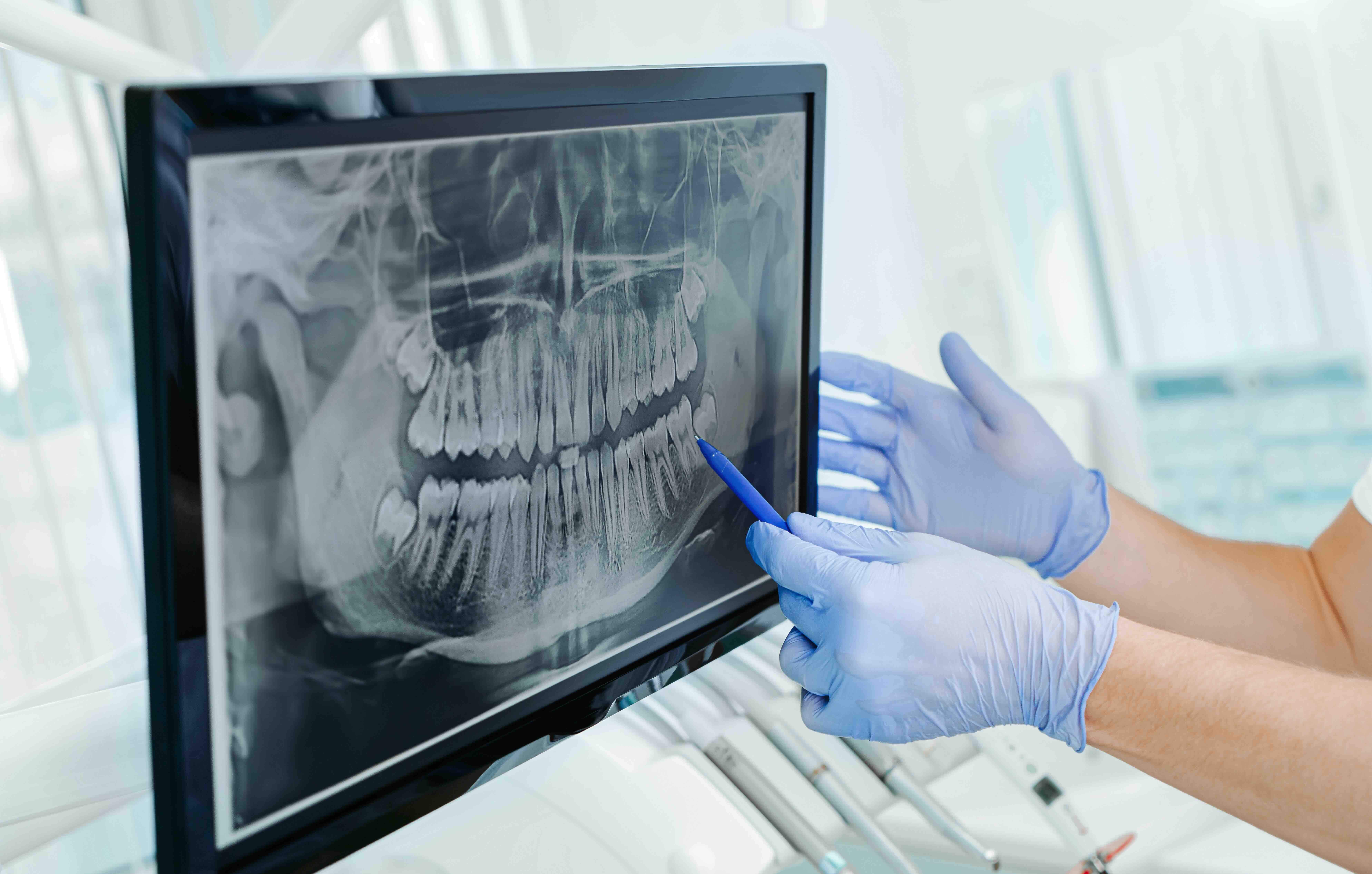

Healthy teeth tend to get most of the attention. People notice a bright smile, a chipped front tooth, or the sharp ache of a cavity. Gums are quieter. They do their job in the background, holding teeth in place, sealing out bacteria, and supporting the bone underneath. When gums begin to fail, the changes can be subtle at first, a little bleeding when brushing, tenderness near one tooth, or breath that never seems fully fresh. By the time discomfort becomes obvious, the problem is often more established than patients realize.
This is where a General dentist plays a central role. Good dental care is not limited to fixing damage after it appears. It involves prevention, early detection, practical coaching, and timely treatment that keeps small issues from becoming expensive or painful ones. In a busy family practice, a dentist may see a teenager with inflamed gums from inconsistent brushing, a working adult with stress related grinding and recession, and an older patient whose dry mouth from medication has changed their risk profile almost overnight. The common thread is that teeth and gums respond to daily habits, biology, and regular professional oversight.
For patients searching for a General dentist Bakersfield CA, understanding that broader role matters. The best care is rarely about one dramatic procedure. More often, it is the steady work of monitoring tissue health, removing buildup that home care cannot touch, catching disease in its early stages, and helping each person build routines they can actually maintain.
Teeth and gums work as one system
Dentistry often gets divided into parts for convenience. One visit may focus on a filling, another on gum measurements, another on a night guard or crown. Inside the mouth, though, nothing operates in isolation. A tooth with a deep cavity can irritate nearby gum tissue. Chronic gum inflammation can loosen support around an otherwise healthy tooth. Clenching can create tiny General dentist Bakersfield CA fractures in enamel and also worsen recession at the gumline. Even a poorly fitting filling can trap plaque and make one area of the gums flare up again and again.
A general dentist looks at that whole picture. During an exam, the goal is not simply to count cavities. It is to assess how the teeth bite together, how the gums attach around each tooth, whether old dental work still seals properly, where plaque and tartar tend to collect, and whether certain patterns suggest future trouble. Some patients brush hard and wear notches near the gumline. Others brush gently but miss the back molars consistently. Many floss only when food gets stuck, which means the gum tissue between teeth never fully settles down.
This whole-mouth perspective is one reason routine care is so valuable. A patient may feel that nothing is wrong because nothing hurts. Gum disease often does not announce itself with dramatic pain. Early decay can also be silent. A dentist can identify changes long before they become obvious at home.
What happens during a routine visit, and why it matters
People sometimes think of a checkup as a quick look followed by a cleaning. In reality, a quality routine visit is one of the most important tools for protecting both gums and teeth.
The exam portion gives the dentist a chance to evaluate visible surfaces, existing restorations, gum condition, bite wear, and possible signs of infection or fracture. Dental X-rays, when indicated, reveal what the eye cannot, such as decay between teeth, bone loss, failing margins under crowns, and changes around tooth roots. A periodontal assessment, whether formal charting or focused probing in areas of concern, helps detect inflammation, pocketing, and attachment loss. Those numbers matter because they show whether gum tissue is stable or slowly moving in the wrong direction.
Then comes the cleaning, which is more medically important than many patients appreciate. Soft plaque can be disrupted at home with good brushing and flossing. Hardened tartar cannot. Once tartar forms, especially below the gumline, it gives bacteria a rough surface to cling to. That bacterial community irritates gum tissue and contributes to periodontal disease. Removing those deposits reduces inflammation and gives the gums a better chance to heal.
A dentist or hygienist also sees habits written in the mouth. Heavy tea or coffee staining, plaque hugging the lower front teeth, flattened chewing edges, a dry sticky oral environment, or recession around one dominant brushing hand pattern can all tell a story. That is where skilled dental care becomes practical rather than generic. Advice should fit the patient in the chair, not a perfect textbook person who has unlimited time and motivation.
The early signs of gum trouble are easy to miss
One of the biggest misconceptions in dentistry is that bleeding gums are normal. They are common, yes. Normal, no. Healthy gum tissue generally does not bleed from gentle brushing or flossing. Persistent bleeding is usually a sign of inflammation, most often from plaque accumulation along the gumline.
Another issue is that gum disease usually progresses slowly. Because the change is gradual, people adapt. A little puffiness near the molars becomes routine. Bad breath gets blamed on coffee. A tooth feels slightly longer because the gum has receded, but it does not hurt, so it gets ignored. I have seen patients who were shocked to hear they had significant periodontal involvement because they had no major pain and had continued eating normally.
A general dentist watches for these subtle patterns before they become advanced. That can include checking for:
- bleeding during brushing or flossing
- gums that look red, swollen, or shiny instead of firm and pink
- persistent bad breath or a bad taste in the mouth
- gum recession or teeth that appear longer
- mobility, tenderness, or spaces that seem to be changing
Not every one of these signs means severe disease. Sometimes a rough patch of flossing after months of neglect will make gums bleed for a few days. Sometimes recession is tied more to brushing trauma or thin tissue anatomy than infection. The point is that these signs deserve evaluation, not guesswork.
How a general dentist helps prevent cavities before they start
Cavity General dentist Bakersfield CA prevention is often reduced to one sentence: brush and floss. Those habits matter, but the reality is more nuanced. Decay risk varies widely from person to person. One patient with average home care may go years without a cavity because they have strong enamel, healthy saliva flow, and a low sugar frequency. Another may brush carefully and still struggle because they sip sweetened drinks all day, take medications that dry the mouth, or have deep grooves in back teeth that hold bacteria.
A General dentist assesses that risk in context. If a patient keeps getting decay between the same teeth, the conversation may center on flossing technique, contact tightness, and diet timing rather than simply repeating that sugar is bad. If decay clusters near the gumline, the dentist may look at recession, dry mouth, acidic beverages, and brushing abrasion. If a child has newly erupted molars with deep pits, sealants may be discussed because they can physically protect vulnerable chewing surfaces.
Professional fluoride treatments, when appropriate, can also strengthen enamel and reduce sensitivity. Prescription-strength fluoride products may help adults with repeated decay, exposed root surfaces, orthodontic appliances, or reduced saliva. This is the kind of risk-based decision making that often prevents a cycle of one filling after another.
There is also the matter of existing dental work. Fillings do not last forever. Margins wear, open, or stain. A tiny gap at the edge of a restoration can become a new entry point for bacteria. During checkups, a dentist evaluates whether older work is still sound or needs repair or replacement before recurrent decay spreads deeper into the tooth.
Gum disease treatment is often more conservative than patients expect
The phrase gum disease can sound alarming, and sometimes it should. Advanced periodontal disease can lead to bone loss, loose teeth, and difficult restorative decisions. But many patients are not starting there. They are dealing with gingivitis or early periodontitis, stages where timely treatment can stabilize the condition and improve tissue health significantly.
A general dentist usually begins by identifying the severity and extent of the problem. Mild inflammation with no attachment loss may respond well to improved home care and routine professional cleaning. Once deeper pocketing or calculus below the gumline is present, more involved therapy may be needed. That often means a deep cleaning, commonly called scaling and root planing, to remove deposits and bacterial toxins from root surfaces where regular cleaning does not reach.
Patients sometimes assume a deep cleaning is just a more expensive version of a standard cleaning. It is not. It is a different procedure with a different goal. A regular prophylaxis is intended for mouths that are generally healthy or have mild gingival inflammation. Scaling and root planing is therapeutic care for active periodontal involvement. The dentist may numb the area, treat the mouth by sections, and schedule follow-up reevaluations to see how the gums respond.
Results depend on several factors, including home care, smoking status, diabetes control, the shape of the roots, and how advanced the disease was at the start. Some patients see a remarkable reduction in bleeding and pocket depths within weeks. Others improve, but still need periodontal maintenance more often than every six months to keep inflammation controlled.
A good general dentist is honest about those variables. Not every case can be restored to perfect textbook gum measurements. The aim is stability, comfort, function, and the best long-term prognosis possible.
Home care guidance should be specific, not generic
Patients hear the same phrases so often that they stop registering. Brush twice a day. Floss daily. Cut back on sugar. All true, but not always useful enough to change outcomes.
The most effective dentists tailor home care instructions to the actual problem. If plaque is collecting behind the lower front teeth, the solution may be changing brush angle and slowing down in that zone. If the gums between back molars are inflamed, a floss holder or interdental brush may work better than string floss alone for that patient. If sensitivity and recession are present, switching from a hard brush to a soft electric brush with less pressure can make a meaningful difference. If someone snacks on dried fruit and sips sports drinks during long work shifts, the dietary advice should address that pattern, not just sweets in the abstract.
For many patients, these are the habits that make the biggest difference:
- brush for a full two minutes with a soft-bristled brush
- clean between the teeth every day with floss or another recommended aid
- limit frequent sugar and acid exposure, especially between meals
- keep routine dental visits instead of waiting for pain
- mention medication changes, dry mouth, or bleeding concerns promptly
Notice that none of these are glamorous. Most dental success comes from consistency, not heroic effort. A patient who improves their cleaning around the gumline every night will often have better results than someone who brushes aggressively for a week before an appointment.
The connection between general health and oral health
A dentist treats the mouth, but the mouth reflects the rest of the body more than many people realize. Gum disease is influenced by systemic factors, and the reverse is also important, because chronic oral inflammation can complicate overall health management.
Diabetes is one of the clearest examples. Poorly controlled blood sugar can worsen periodontal inflammation and slow healing. In turn, active gum disease can make glycemic control harder. Pregnant patients may notice gums that bleed more easily due to hormonal shifts. Patients on certain blood pressure medications, antidepressants, antihistamines, or other prescriptions may develop dry mouth, which raises cavity risk quickly. Smokers and users of other tobacco products often have more severe gum breakdown and less predictable healing.
A general dentist takes these factors into account when planning care. The patient with excellent brushing habits but severe dry mouth needs a different prevention strategy than the patient with normal saliva and frequent soda intake. Someone undergoing cancer treatment may need careful monitoring for oral side effects. An older adult with reduced dexterity may need modified cleaning tools and shorter recall intervals. These adjustments are not extras. They are core to protecting gums and teeth over time.
Restorative care also protects gum health
Many people separate fillings, crowns, and other restorative treatments from gum care. In practice, they overlap constantly.
A cavity near the gumline can trap plaque and inflame the surrounding tissue. A broken filling can create a ledge that is difficult to clean. A crown that no longer fits well may irritate the gums or allow bacteria to seep underneath. Even a tooth with a crack can become hard to chew on, leading patients to favor one side and neglect cleaning patterns in the process.
When a general dentist repairs or replaces damaged tooth structure, the goal is not only to restore appearance or function. It is also to create contours that can be cleaned, contacts that protect the papilla between teeth, and margins that respect the surrounding tissue. Good restorative dentistry supports gum health. Poorly shaped or failing dental work can undermine it.
There are trade-offs here, and experienced dentists discuss them. A small defect may be monitored if intervention would remove too much healthy tooth structure. A large old filling may be better replaced with a crown before the tooth fractures further. A tooth with deep decay near the bone may be restorable, but the periodontal environment might make the long-term outlook less favorable. Judgment matters, especially when patients are trying to balance cost, urgency, and longevity.
Why regular monitoring is so important, even when your mouth feels fine
Pain is a poor screening tool for dental disease. Many significant problems cause little or no pain in their early and middle stages. Gum disease can progress quietly. Recurrent decay under an old filling can spread without warning. Clenching damage can flatten teeth gradually until one cusp finally breaks. A patient can feel perfectly fine and still have issues that are much easier to address now than a year from now.
Routine monitoring changes the timeline. A small cavity may need a straightforward filling instead of a root canal and crown later. Mild bleeding and shallow periodontal pockets may respond to conservative care instead of escalating to more advanced therapy. A mouthguard for grinding may preserve enamel and prevent cracks before a tooth fractures.
This is one reason continuity with a General dentist Bakersfield CA can be so valuable. When the same office sees a patient over time, they can compare X-rays, note whether recession is stable or worsening, track recurring inflammation in specific areas, and recognize changes in bite wear or home care patterns. Dentistry works best when it is longitudinal, not just episodic.
Children, adults, and older patients need different support
The fundamentals of oral health stay the same across life stages, but the risks shift.
Children often need help with brushing technique, diet habits, and preventive services such as sealants and fluoride. Their gums are usually resilient, but plaque around erupting teeth or orthodontic appliances can cause rapid inflammation if home care slips. The general dentist also monitors how teeth are developing and whether crowding or bite issues may affect cleaning and long-term gum health.
Adults often deal with time pressure, stress, grinding, cosmetic concerns, and diet habits shaped by work. This is the stage where skipping preventive visits often catches up with people. A patient may go several years without care, then return with multiple small issues that could have been managed earlier. Gum recession, old fillings reaching the end of their lifespan, and dry mouth from medications commonly start to appear in these years.
Older adults may face additional challenges, including root exposure, dexterity limitations, chronic medical conditions, and more complex medication lists. Root surfaces are softer than enamel and can decay faster, especially in a dry mouth. Existing crowns, bridges, or partial dentures require meticulous maintenance. A thoughtful general dentist adapts care plans to those realities rather than assuming one standard routine suits everyone.
What to look for in a dental relationship
Technical skill matters, of course, but so does communication. Patients are more likely to protect their gums and teeth when they understand what is happening and why it matters. A strong dental relationship is built on clarity, not pressure.
A good general dentist explains findings in plain language, prioritizes treatment sensibly, and differentiates between urgent needs and elective improvements. If the gums are inflamed, the patient should know whether the issue is mild, moderate, localized, or generalized. If a tooth has a failing filling, the reason for replacement should be clear. If home care is a major factor, the dentist should offer realistic suggestions rather than vague scolding.
That practical tone often makes the difference between a patient who follows through and one who avoids care. People do better when they feel informed, respected, and involved in the decision making.
Small decisions, long-term impact
Healthy gums and teeth are usually the result of many modest decisions repeated over time. A routine cleaning kept on schedule. A night guard actually worn. A change from grazing on sugary snacks to eating them with meals. A bleeding area checked before it turns into deeper periodontal trouble. A worn filling replaced before decay reaches the nerve.
A General dentist supports all of those decisions. That support includes prevention, diagnosis, treatment, maintenance, and personalized coaching rooted in what is happening in the patient’s mouth right now. Whether someone needs a simple cleaning and reassurance or a more involved plan to control gum disease and restore damaged teeth, the dentist’s role is to protect function first, preserve what is healthy, and intervene early when the mouth starts to drift off course.
For anyone looking for a General dentist Bakersfield CA, that is the real value of comprehensive care. It is not just about fixing what hurts. It is about keeping gums firm, teeth strong, and problems manageable long before they threaten the comfort and confidence of everyday life.
Smyle Dental Bakersfield
Address: 2016 E St, Bakersfield, CA 93301
Phone number: +16614939040
FAQ About General dentist Bakersfield CA
What does it mean by general dentist?
A general dentist is your primary dental care provider. They act like a family doctor for your mouth. They focus on the overall health of your teeth and gums, providing routine checkups, cleanings, and basic treatments like fillings or crowns for patients of all ages.
What is the difference between a dentistry practitioner and a dentist?
A dentist is a specific licensed doctor who diagnoses and treats teeth and gums, holding a DDS or DMD degree. A "dentistry practitioner" (or dental practitioner) is a broader regulatory term that includes dentists as well as other licensed oral health workers like hygienists and therapists.
When to see a dentist for gum pain?
See a dentist for gum pain if it lasts more than a few days, or right away if you have severe swelling, pus, fever, or bleeding. Mild pain from a scratch can heal on its own, but lasting soreness often points to gum disease, an infection, or an abscess.